




HOME TOURISM FESTIVALS

                           FESTIVALS IN INDIA


Ganesh Chaturthi

Ganesh Chaturthi:

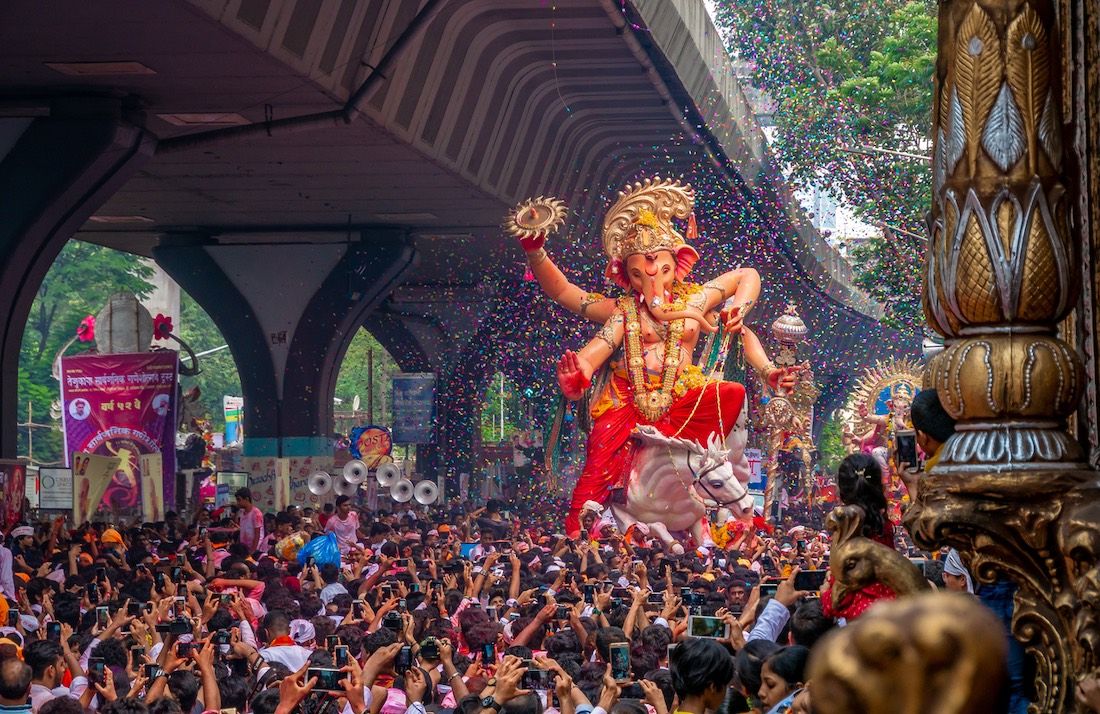
Ganesh Chaturthi is a major Hindu festival celebrating the birth of Lord Ganesha, the elephant-headed deity revered as the remover of obstacles and the god of wisdom, prosperity, and new beginnings. The festival starts on the fourth day (Chaturthi) of the Hindu month of Bhadrapada, usually falling in August or September. Devotees place beautifully crafted idols of Ganesha in their homes and public pandals (decorated tents), performing elaborate rituals including chanting of mantras, offerings of sweets like modaks (his favorite), and prayers seeking blessings for success and happiness. The celebration lasts for 10 days, culminating in the immersion (Visarjan) of the idols in water, symbolizing Ganesha's return to his celestial abode, while devotees bid farewell with festive processions and devotional singing
Navratri

Navratri:

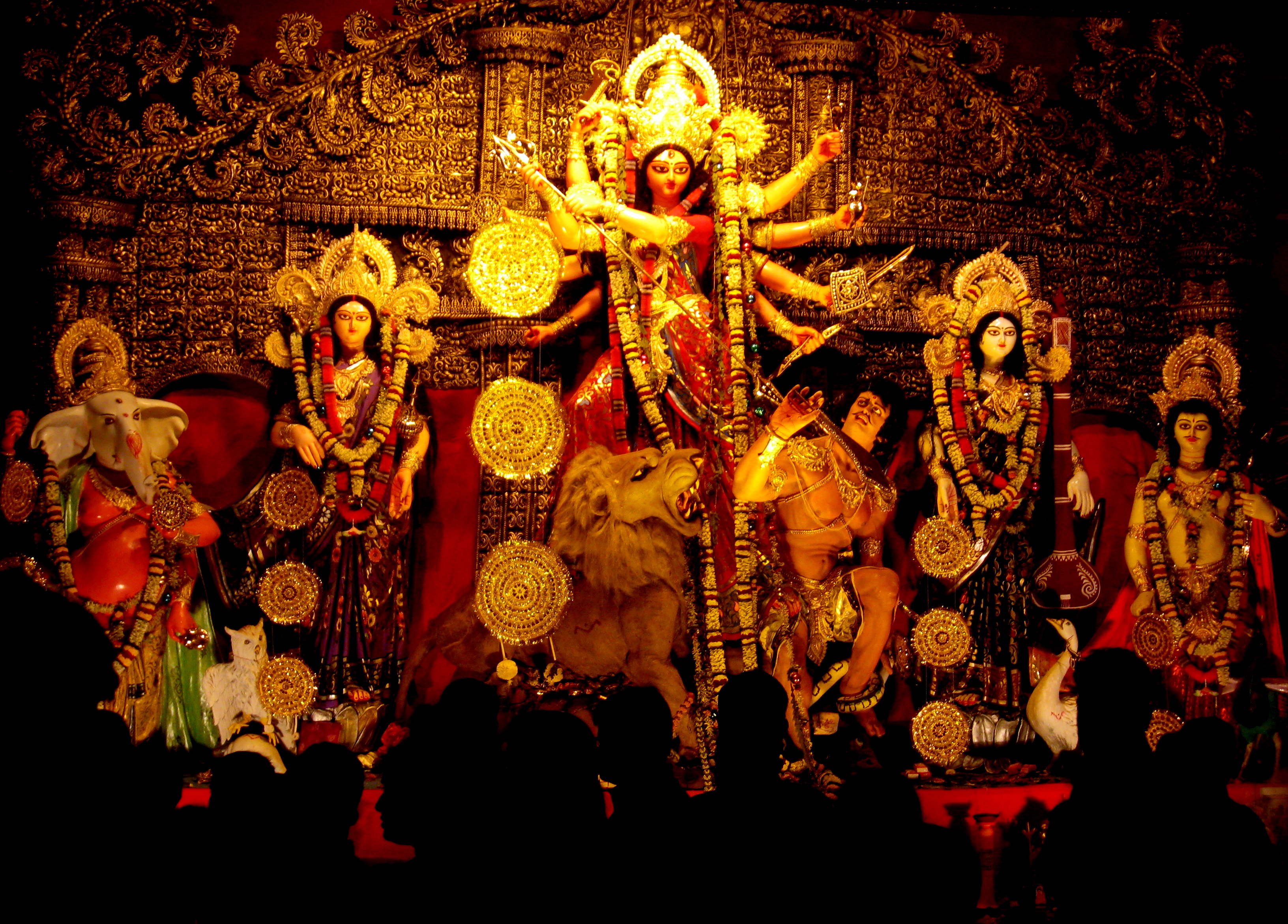
Navratri is a major Hindu festival dedicated to the worship of Goddess Durga, celebrated over nine nights and ten days, symbolizing the victory of good over evil. In 2025, Shardiya Navratri will begin on Monday, 22nd September and end on Wednesday, 1st October, with the final celebration of Vijaya Dashami (Dussehra) on Thursday, 2nd October. Each day of Navratri is devoted to a different form of Goddess Durga, with devotees performing various rituals, fasting, and celebrating with traditional dances like Garba and Dandiya.This festival is observed with great enthusiasm across India, particularly in Northern and Eastern regions, and is marked by colorful decorations, worship ceremonies, fasting, and cultural performances. Navratri's nine days are spiritually significant as they represent the nine avatars of Goddess Durga, emphasizing power, wisdom, and energy, culminating in the triumph of the goddess over the demon Mahishasura, symbolizing the eternal victory of good over evil.

Rang Panchami

Rang Panchami:

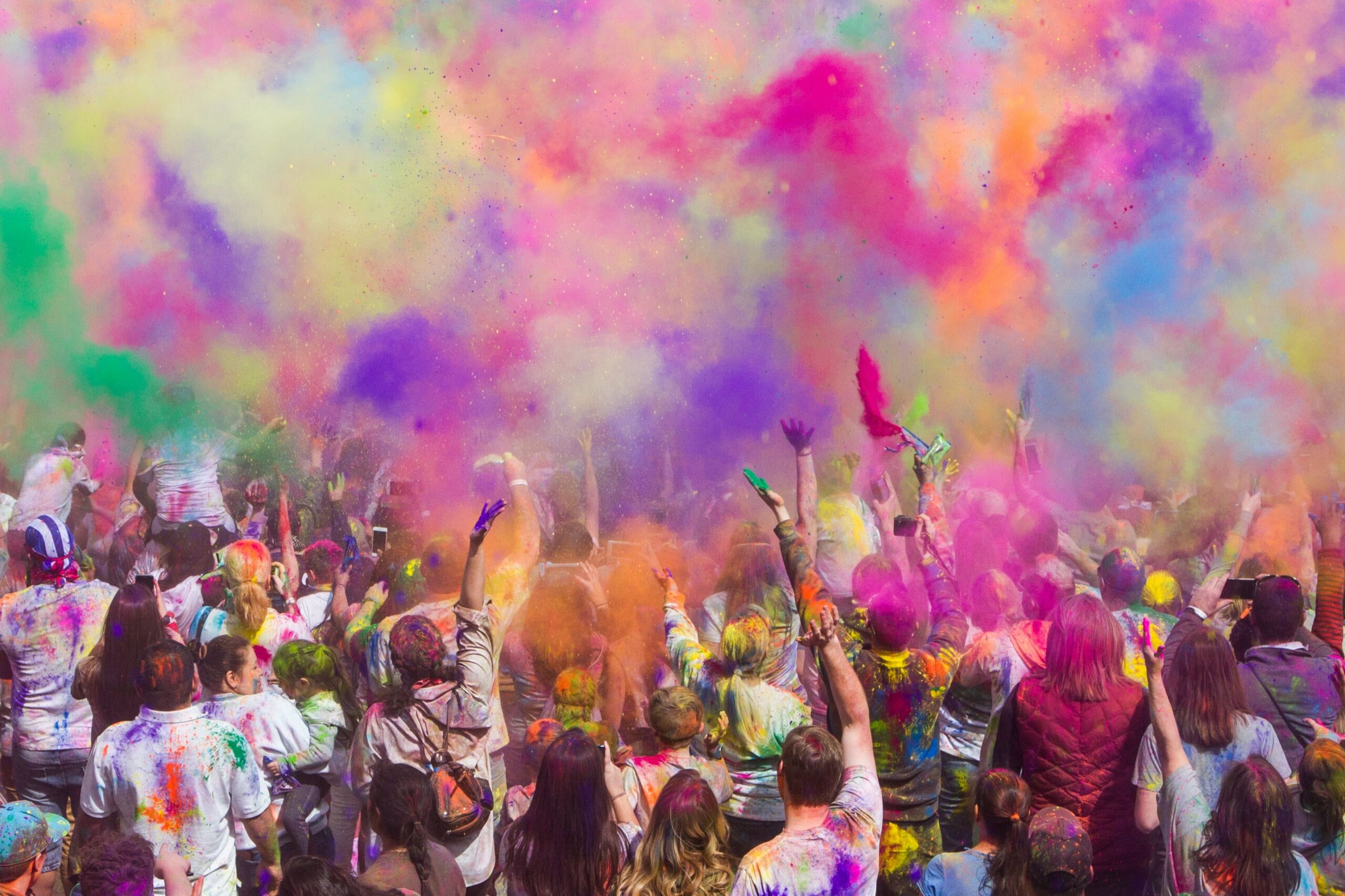
Rangpanchami is a vibrant Hindu festival celebrated primarily in Maharashtra and parts of central India, marking the fifth day (Panchami) after the festival of Holi. It signifies the joyful continuation of Holi festivities, where people play with colors, water balloons, and water guns, spreading happiness and cheer within communities. Rangpanchami is often observed with singing, dancing, and social gatherings, reiterating the spirit of togetherness and the arrival of spring. The festival also has mythological significance linked to the victory of the divine over evil, similar to Holi, and is associated with Lord Krishna’s playful acts involving colors. While Holi generally focuses on the first day of color celebrations, Rangpanchami offers a final exuberant round of festivities, especially in towns like Amravati, Kolhapur, and other parts of Maharashtra, where traditional rituals and cultural programs accompany the colorful celebrations.

Diwali

Diwali

Diwali, also known as Deepavali or the Festival of Lights, is a major Hindu festival symbolizing the victory of light over darkness, good over evil, and knowledge over ignorance. In 2025, Diwali will be celebrated mainly on October 20 and 21. The festival typically lasts five days, starting with Dhanteras and including Naraka Chaturdashi (Chhoti Diwali), the main Diwali day (Lakshmi Puja), Govardhan Puja, and Bhai Dooj. It commemorates various legends, most notably Lord Rama’s return to Ayodhya after 14 years of exile and his victory over the demon king Ravana, celebrated with rows of lamps (diyas) illuminating homes and public spaces. Additionally, it honors Goddess Lakshmi, the deity of wealth and prosperity. The festivities involve prayers, home decoration with lights and rangoli, feasting, gift exchanges, and fireworks.